Cardamom
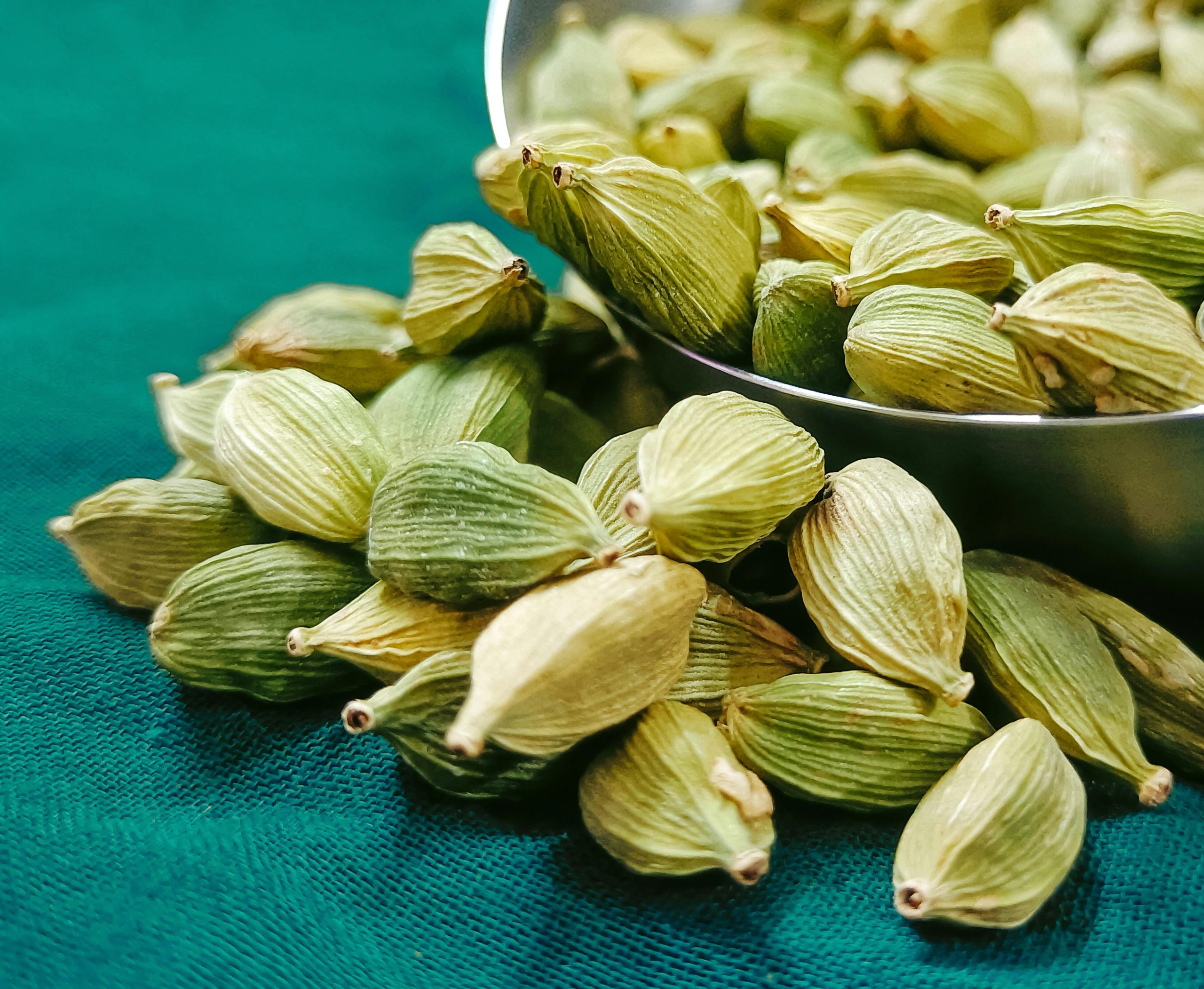
Nepal is the world’s leading producer of large cardamom (also known as black cardamom or alaichi). Cultivation is concentrated in the eastern hills, specifically in the districts of Taplejung, Sankhuwasabha, Panchthar, and Ilam. It thrives at altitudes between 700 and 2,100 meters in humid, shaded environments, often intercropped under Uttis (alder) trees. Harvested pods are typically dried in wood-fired ovens called bhattis, giving the spice its signature smoky aroma.
Cardamom, often called the “Queen of Spices,” offers a wide range of potential health benefits due to its high concentration of antioxidants and anti-inflammatory compounds.
The key benefits of Cardamons include:
- Digestive Support: Cardamom is widely used to stimulate digestive enzymes, which can help relieve bloating, gas, and indigestion. It may also help protect the stomach from ulcers by fighting H. pylori bacteria and reducing stomach acid,
- Heart Health & Blood Pressure: Studies suggest that taking cardamom daily (roughly 3 grams) may help lower blood pressure, likely due to its antioxidant content and mild diuretic effect, which helps the body remove excess water,
- Oral Hygiene: Chewing cardamom seeds is an ancient remedy for bad breath. Its antimicrobial properties, specifically from the compound cineole, kill mouth bacteria that cause cavities and gum disease,
- Respiratory Relief: In traditional medicine, it is used to treat asthma and bronchitis. It acts as an expectorant, helping to clear mucus and improve airflow to the lungs.
Cardamom is generally safe in culinary amounts. However, high-dose supplements are not recommended for pregnant or breastfeeding women without medical advice.
Where is it used?