Potato
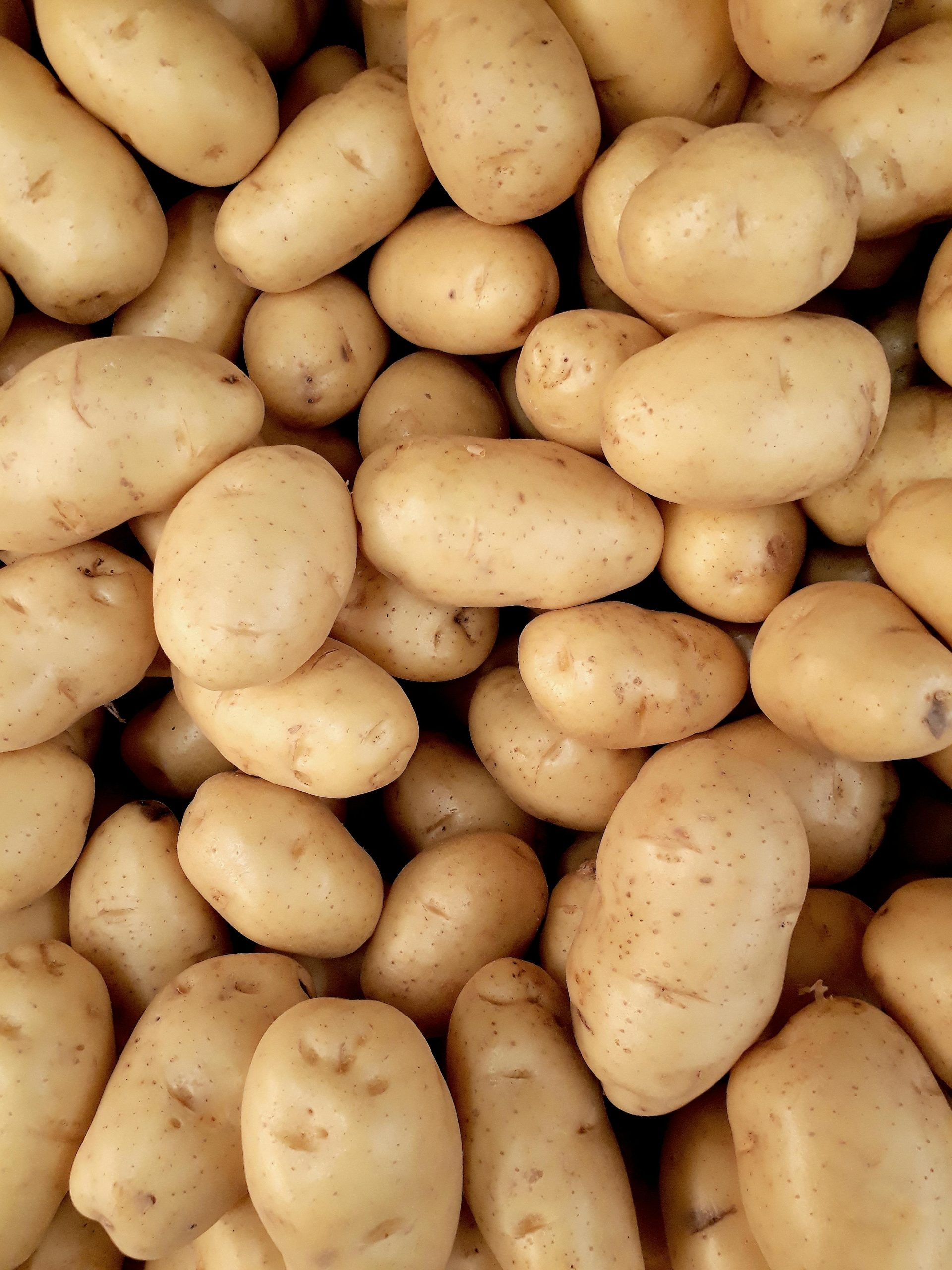
In Nepal, Potatoes are a vital staple food in the high mountains and a major commercial vegetable crop in the hills and Terai regions. The country produces over 3.4 million metric tons annually across approximately 198,256 hectares, spanning diverse altitudes from 70m to 4,400m above sea level.
Potatoes are a nutrient-dense, versatile vegetable that offers significant health benefits when prepared without excessive fats or deep-frying. They are naturally fat-free, cholesterol-free, and sodium-free.
Potato cultivation is distributed across Nepal’s three primary ecological zones, each with unique growing seasons and roles.
High Mountains (19% of area): Potatoes serve as a primary staple crop. They are typically monocropped from April to September at altitudes above 2,500m. Regions like Jumla, Dolakha, and Ilam are critical for high-quality seed production due to cooler climates that reduce viral disease.
Mid-Hills (43% of area): This is the largest production zone. Potatoes are often grown in rotation with rice or maize. Key districts include Kavrepalanchok, Lalitpur, and Dhankuta.
Terai (38% of area): Potatoes are grown as a major winter crop after paddy harvesting, typically planted between September and December. Districts like Jhapa, Bara, and Chitwan are major commercial hubs.
The key benefits of Potatoes include:
- Heart Health & Blood Pressure: A medium potato contains more potassium than a banana, providing about 15–30% of the daily value. Potassium helps flush out sodium, which can lower blood pressure and reduce the risk of stroke,
- Gut Health: Potatoes are rich in resistant starch, a type of fiber that acts as a prebiotic, feeding beneficial gut bacteria. This can improve digestion and reduce colon inflammation,
- Immune System Support: One medium potato provides nearly 30% of your daily Vitamin C needs, a powerful antioxidant that boosts immunity and aids in tissue repair,
- Energy & Metabolism: As complex carbohydrates, potatoes provide a steady source of energy. They are also high in Vitamin B6, which is essential for carbohydrate and protein metabolism and brain health,
- Weight Management: Due to their high satiety index, potatoes help you feel fuller for longer, which can prevent overeating,
- Antioxidant Protection: Colored varieties, such as purple and red potatoes, contain 3–4 times more antioxidants (like anthocyanins) than white potatoes, helping to neutralize free radicals linked to chronic diseases.
Where is it used?