Milk
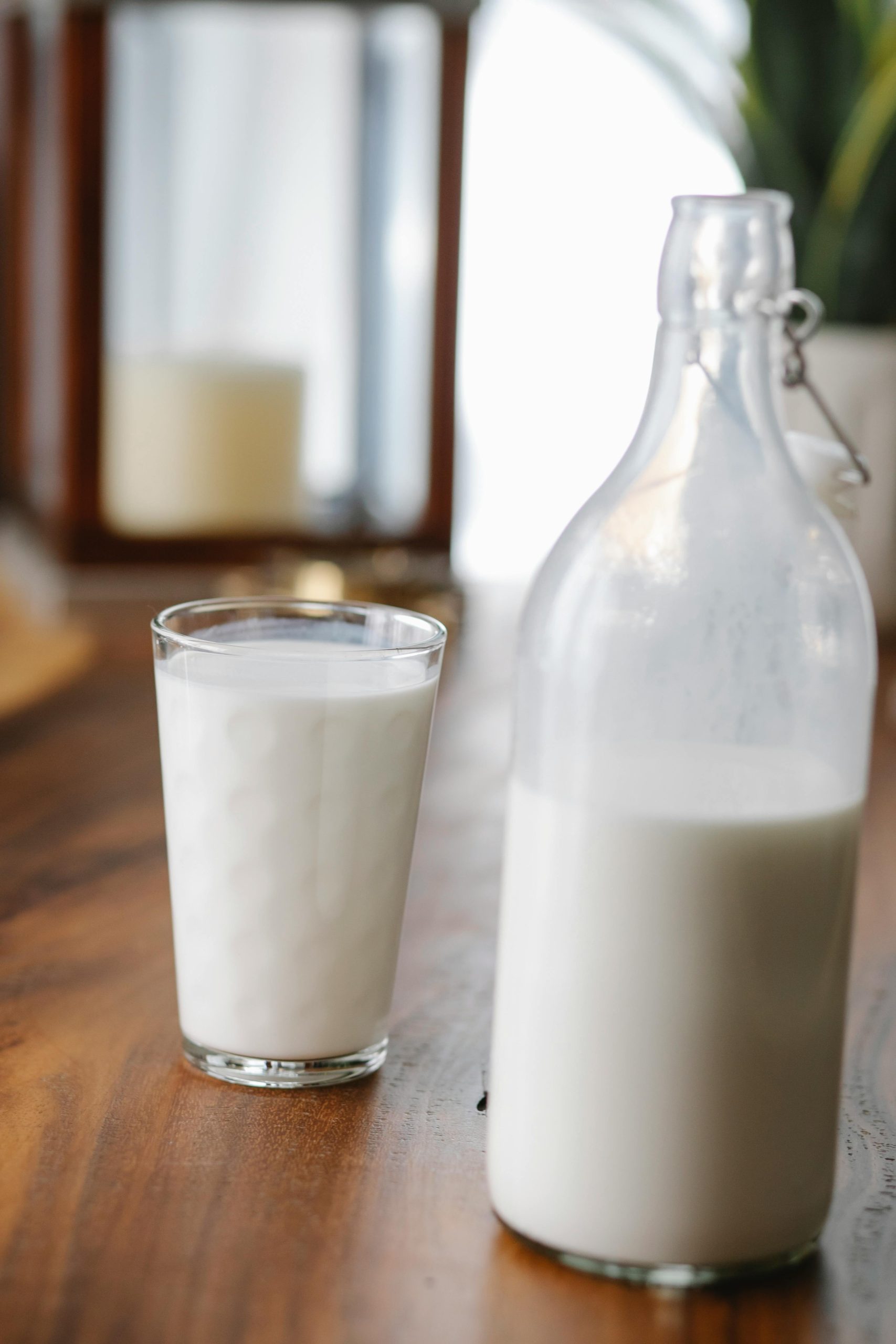
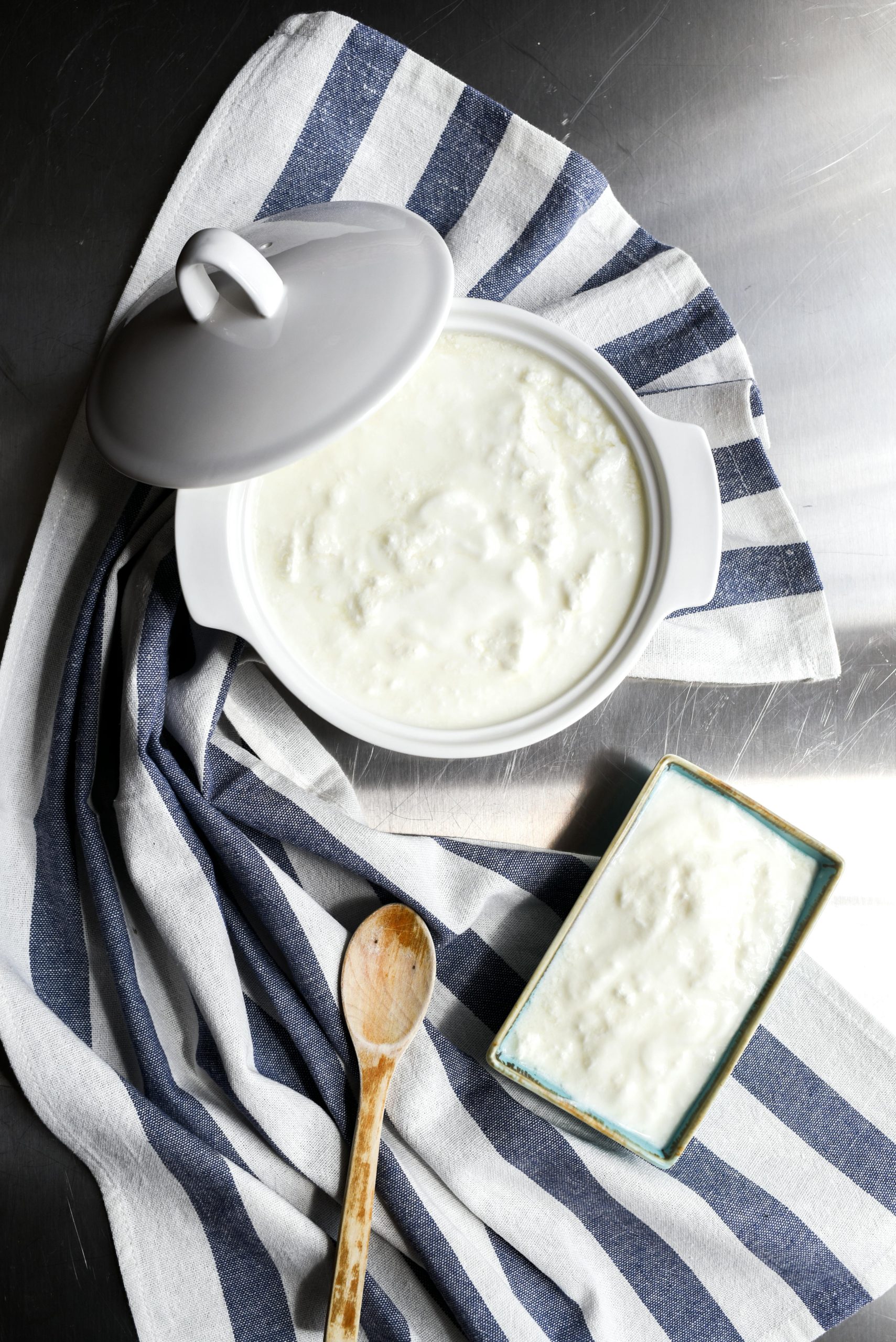
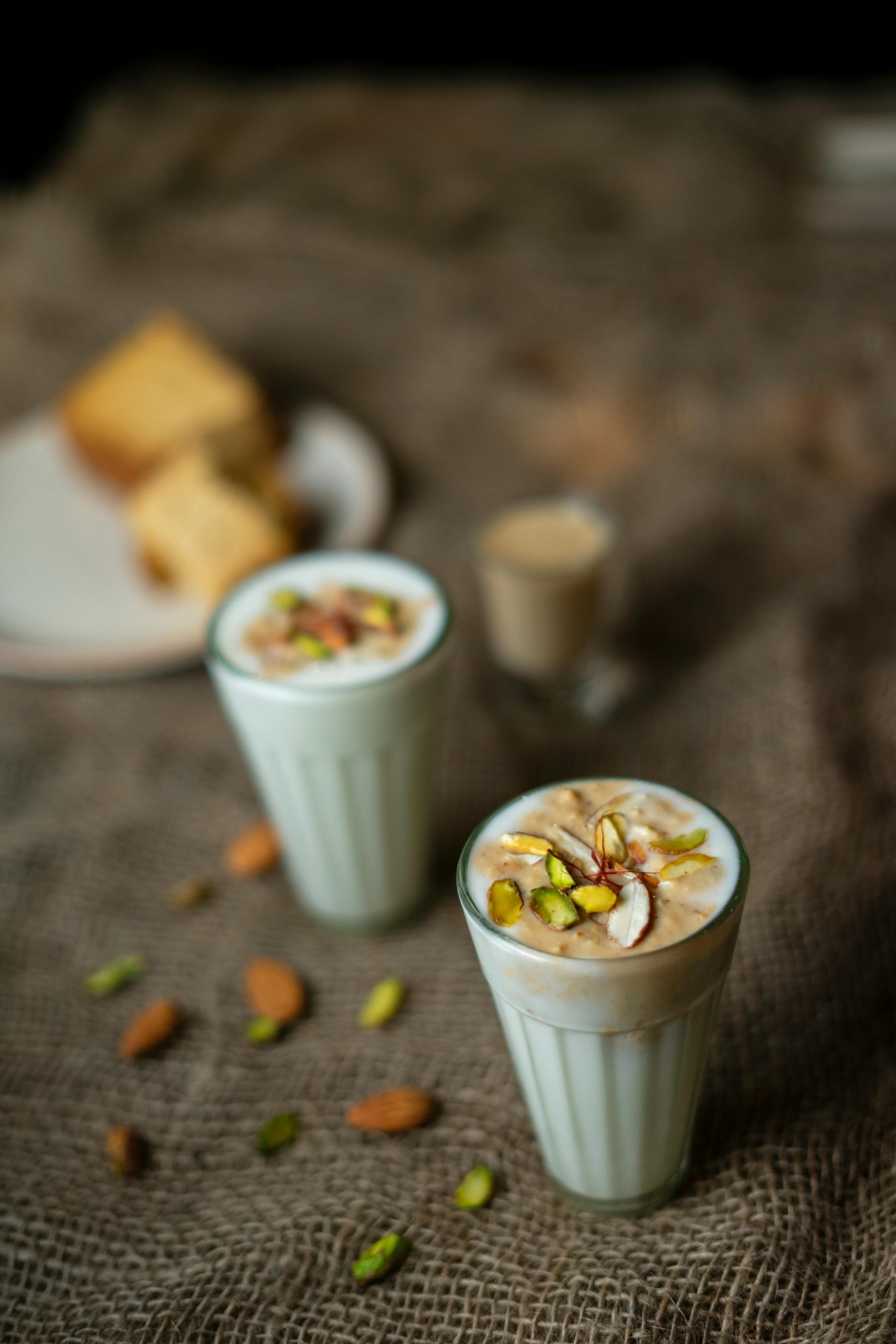
Nepali Milk primarily consists of high-fat buffalo (70%) and cow milk (30%). The dairy sector in Nepal is a critical part of the agricultural economy, contributing approximately 9% of the agricultural GDP.
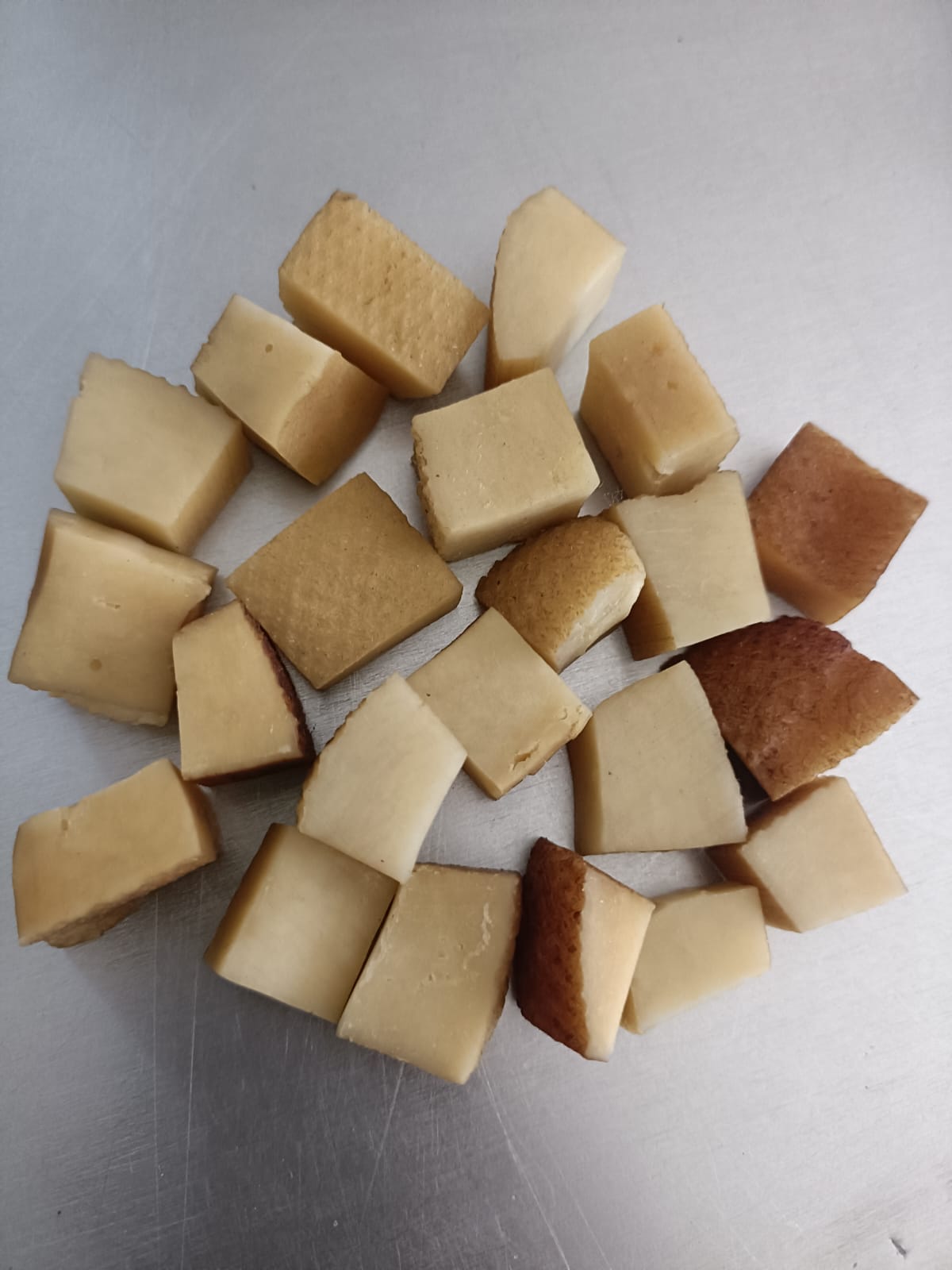
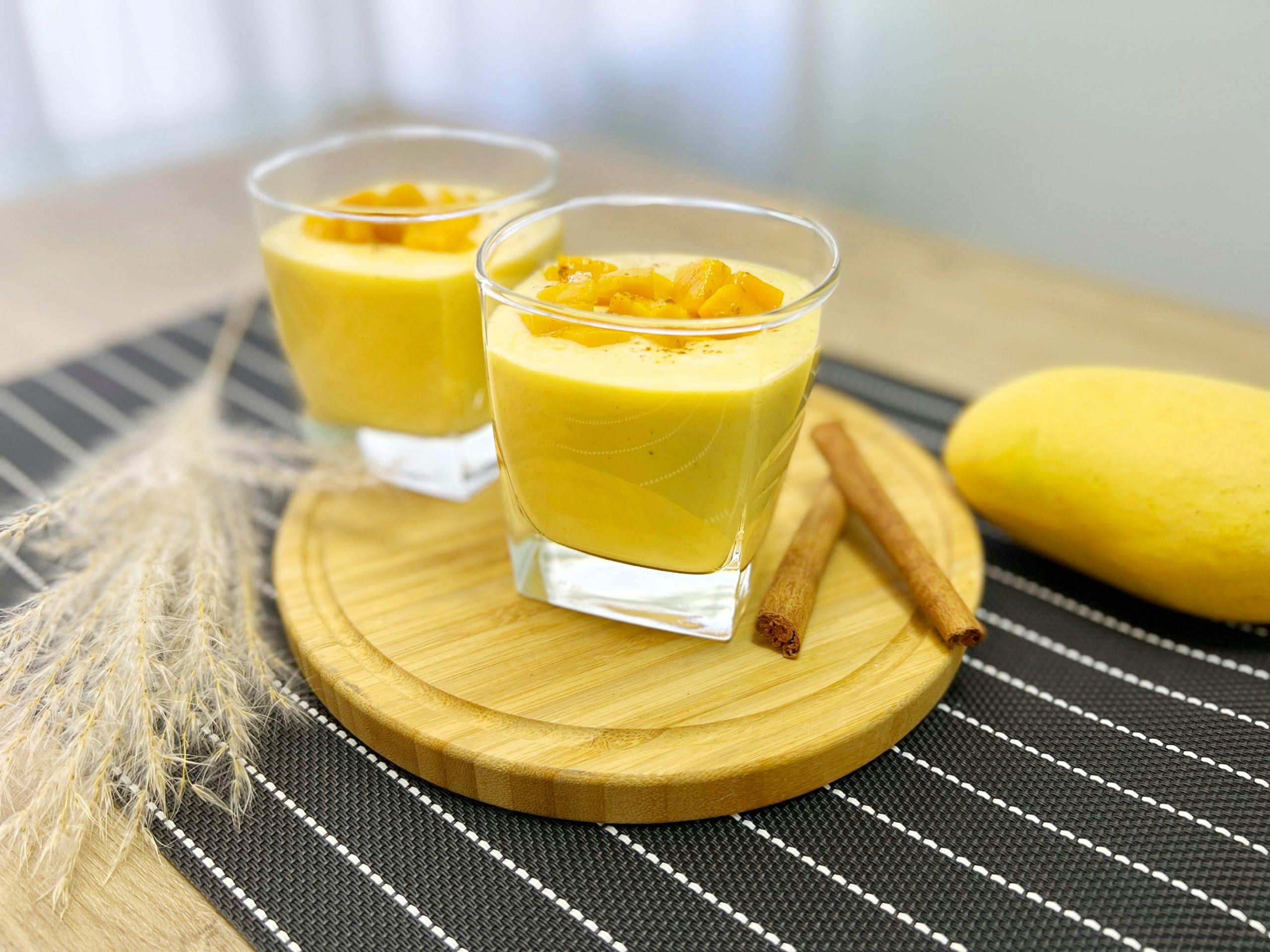
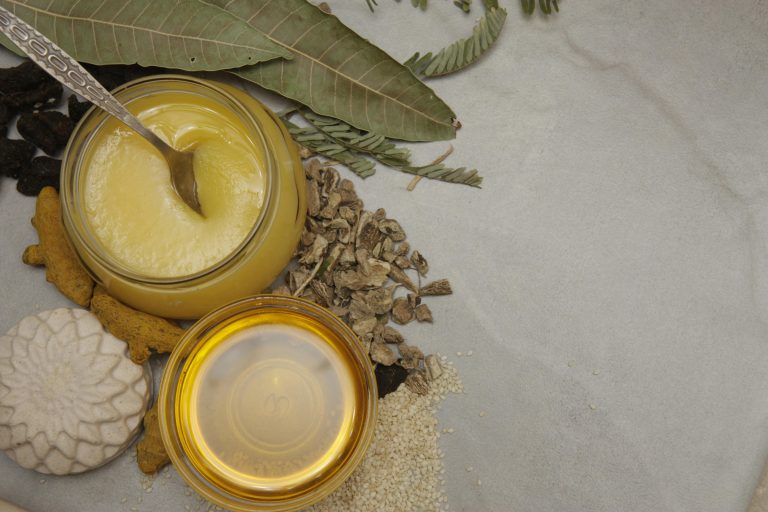
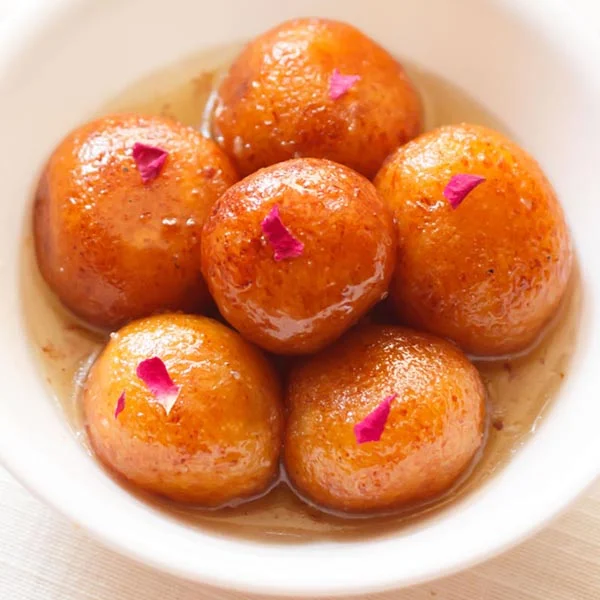
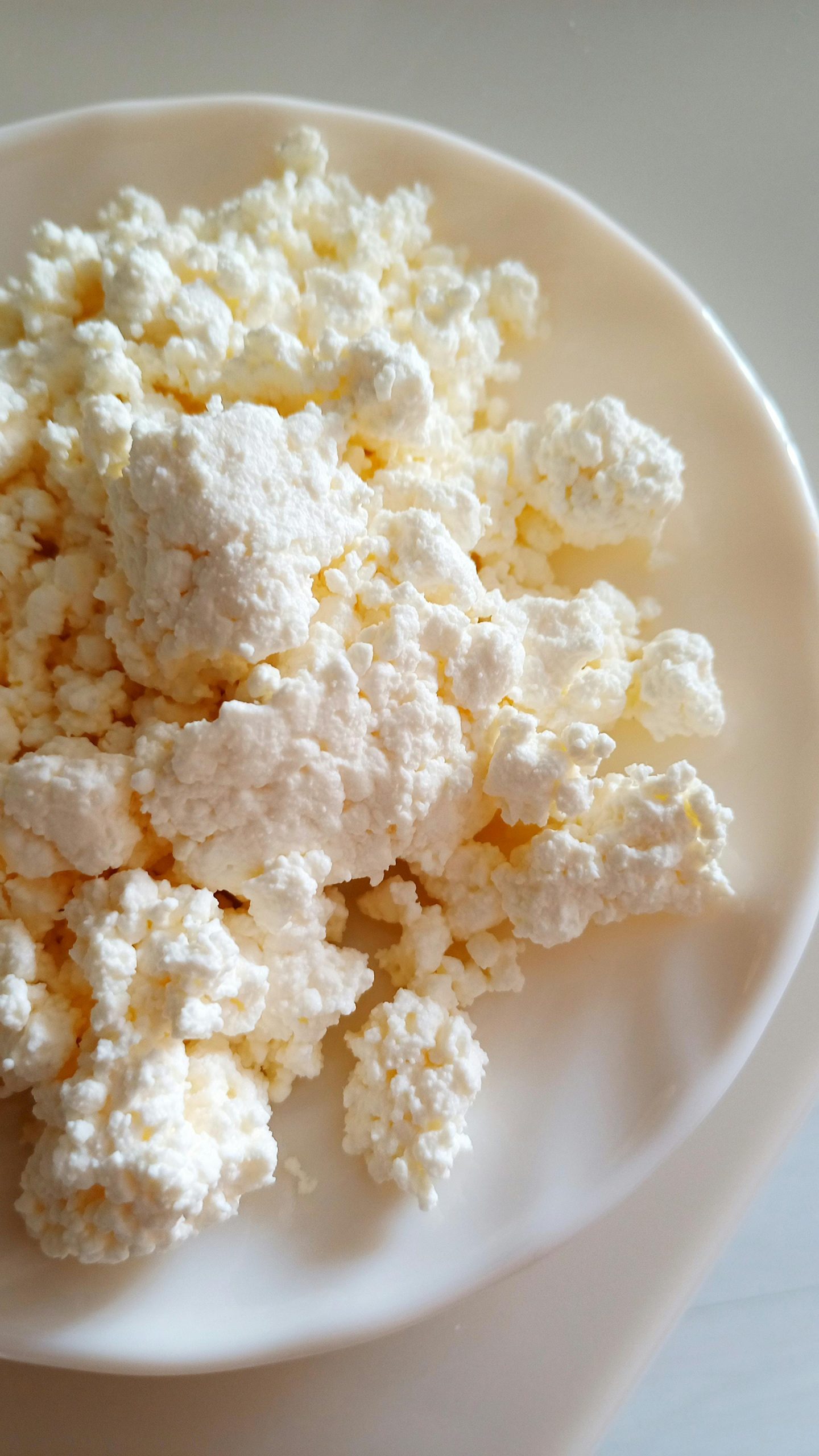
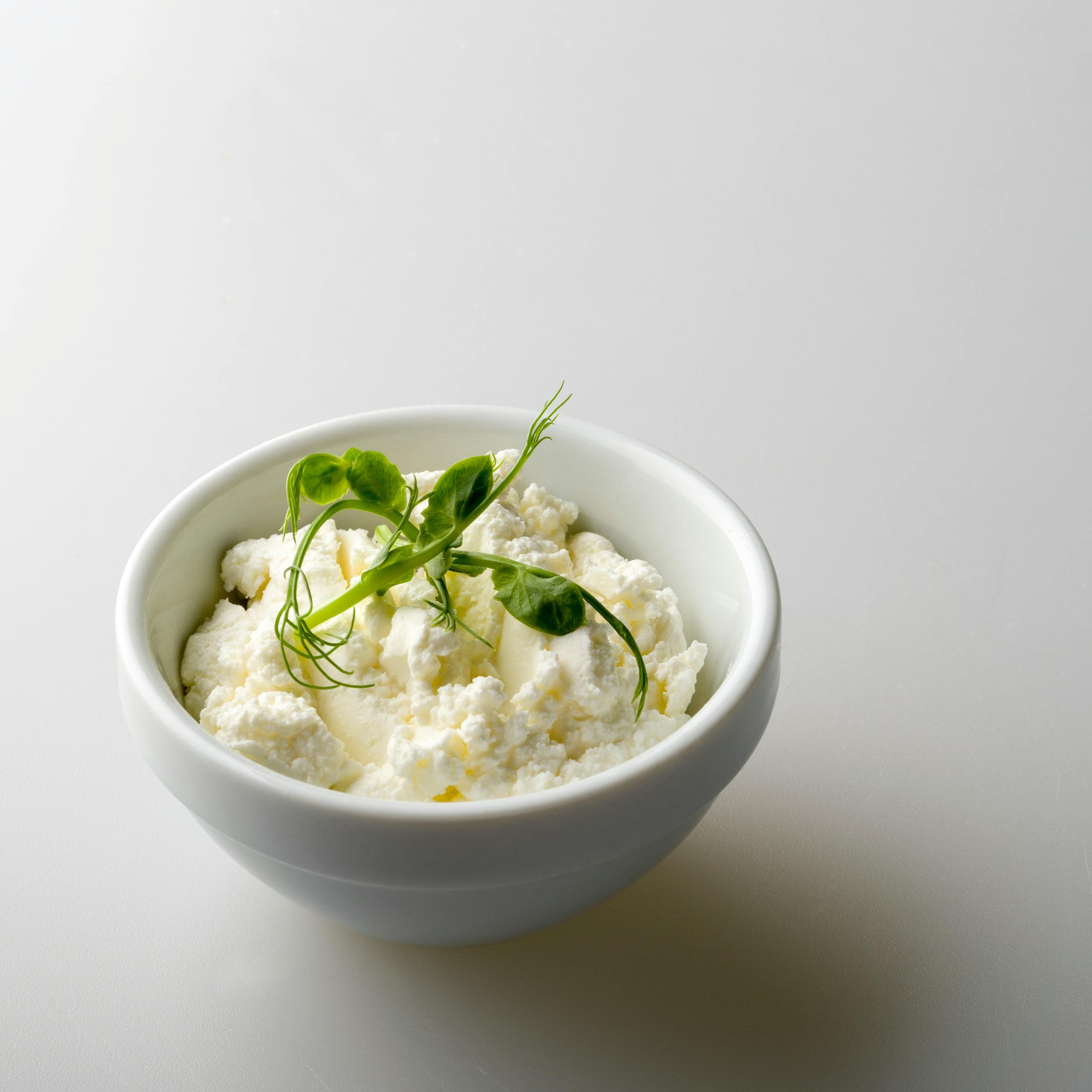
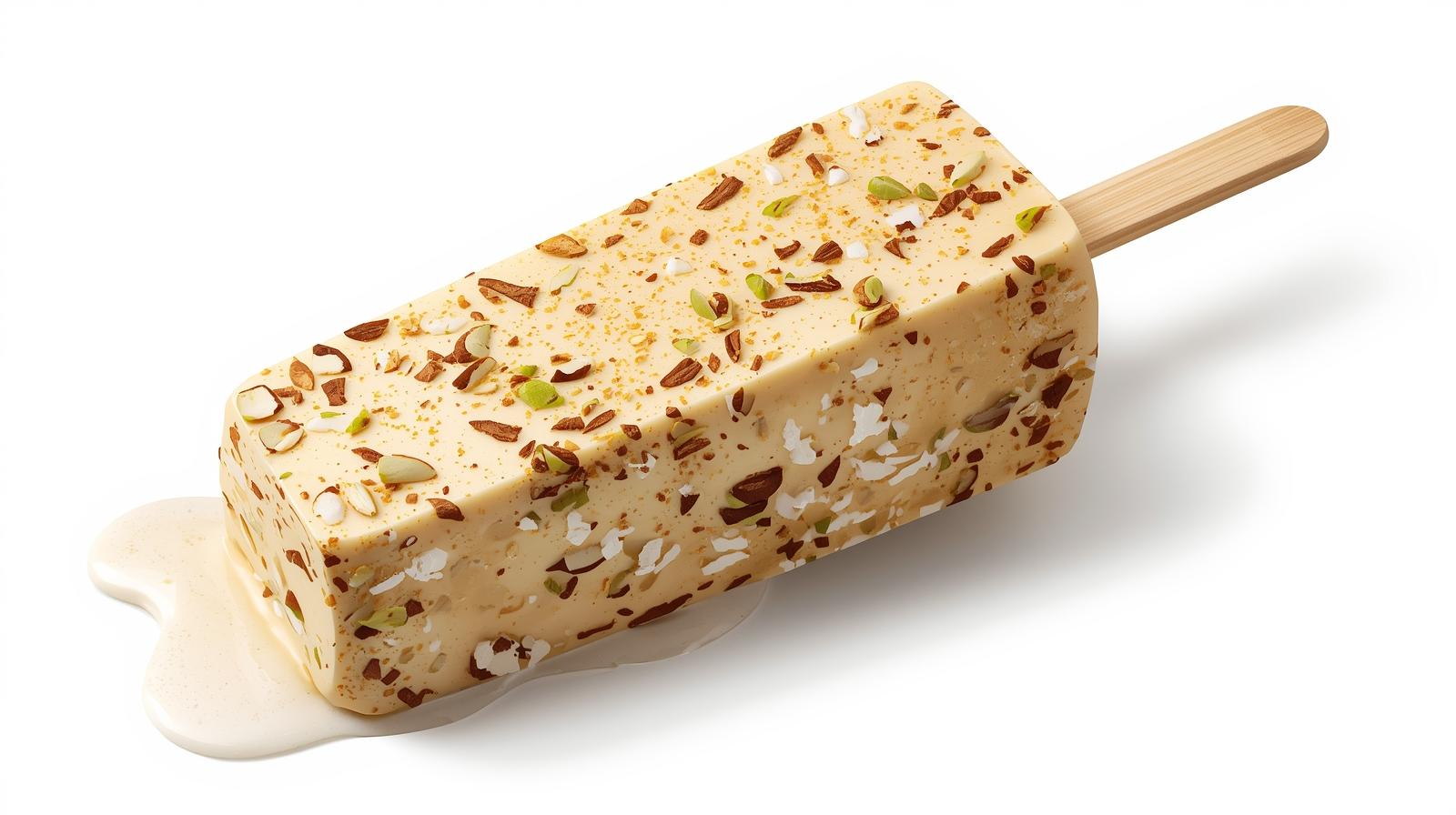
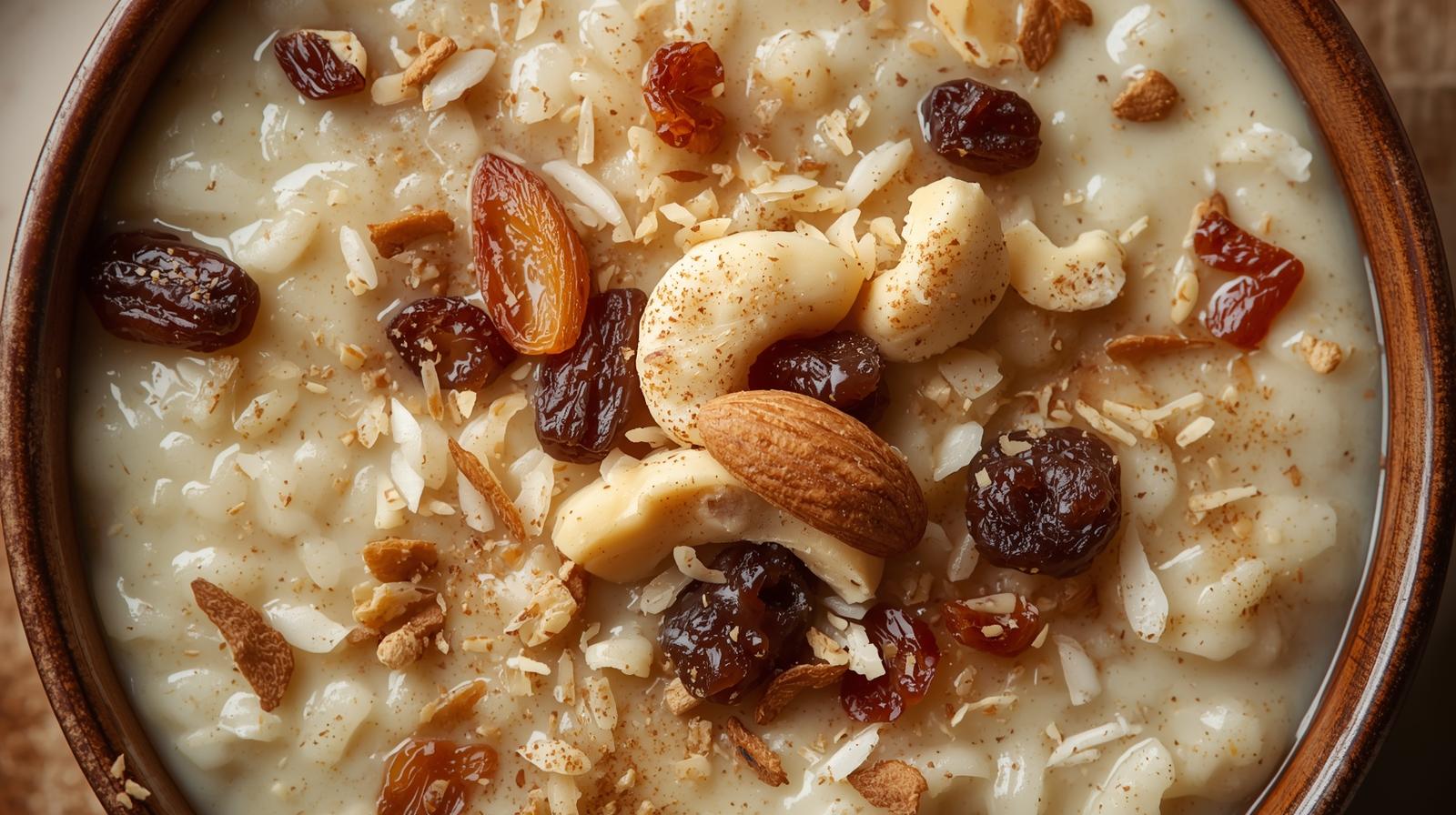
It is the foundation for Chiya (milk tea), yogurt, and ghee and traditional dairy products like Khuwa (solidified milk).
Milk is a nutrient-dense beverage that provides 13 essential vitamins and minerals including calcium, protein, potassium, and vitamin D, crucial for building strong bones and teeth. It promotes muscle growth with high-quality casein and whey protein, supports healthy blood pressure, and aids in hydrating the body. It is a versatile, nutrient-rich addition to a balanced diet.
The key benefits of Milk include:
- Bone Health & Osteoporosis Prevention: High amounts of calcium, phosphorus, and vitamin D work together to strengthen bones and prevent fractures,
- Muscle Growth & Repair: As a high-quality protein source containing all essential amino acids, it helps build and repair muscle tissue,
- Immunity & Energy Metabolism: Rich in B vitamins (especially B2 and B12), milk helps convert food into energy and supports a strong immune system,
- Heart Health & Blood Pressure: Regular intake of low-fat dairy is associated with lower blood pressure and a reduced risk of stroke,
- Weight Management: The protein and healthy fats in milk can help with satiety, supporting weight management efforts,
- Dental Health: The combination of calcium and phosphorus helps maintain strong, healthy teeth and may protect against decay,
- Improved Hydration: Milk is roughly 87–90% water and contains electrolytes like sodium and potassium, which can be more effective for rehydration than water alone after exercise,
- Skin & Hair Health: Vitamins like A and B12, along with zinc and protein, contribute to a healthy complexion and hair growth. Lactic acid in milk can also act as a natural exfoliant for skin,
- Better Sleep Quality: Drinking warm milk before bed may aid sleep because it contains tryptophan, an amino acid that helps produce serotonin and melatonin.
Where is it used?